




Main Aircraft Programs
 HOME Korean Aerospace Industry Main Aircraft Programs
항공우주산업 소개
Korean Aerospace Industry- Overview
- Main Aircraft Programs
- Main Space Programs
POINT
02
Main Aircraft Programs

Provide detailed information on
the major domestic aircraft programs
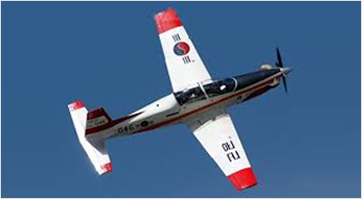
KT-1 Basic Trainer / KA-1 Forward Air Control Aircraft
- Developed under the leadership of the Agency for Defense Development (ADD) and manufactured by Korea Aerospace Industries (KAI)
- Development initiated in 1988; prototype maiden flight completed in December 1991
- Korea's first indigenous basic trainer, establishing the nation's independent aircraft development capability
- Deliveries to the Republic of Korea Air Force (ROKAF) began in August 2000
- Served as the technological foundation for the subsequent development of the T-50 and KF-21
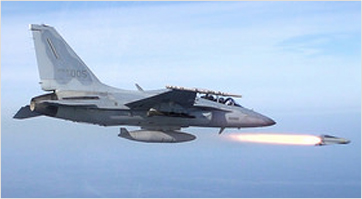
T-50 Advanced Jet Trainer / FA-50 Light Combat Aircraft
- Korea's first indigenously developed supersonic aircraft
- Jointly developed by the Republic of Korea Air Force (ROKAF), KAI, and Lockheed Martin
- System development launched in 1997; maiden flight completed in August 2002
- World's first supersonic advanced jet trainer, capable of speeds up to Mach 1.5
- Expanded into multiple variants, including the TA-50 Lead-In Fighter Trainer (LIFT) and the FA-50 Light Combat Aircraft
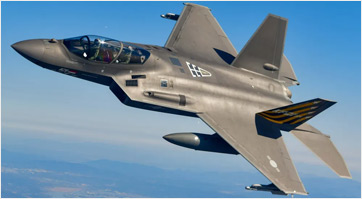
KF-21 Boramae Fighter
- Korea's first indigenously developed supersonic fighter aircraft
- Led by KAI, with Indonesia participating as a development partner (RSP) and Lockheed Martin providing technical assistance (TAC)
- Prototype maiden flight completed in July 2022; currently undergoing flight testing and mass production
- A 4.5-generation multirole fighter featuring low-observable design and advanced avionics
- The largest aerospace and defense development program in Korea's history
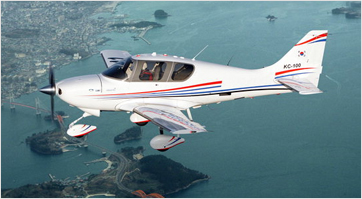
KC-100 Naraon Light Aircraft
- Korea's first civil aircraft to obtain type certification
- Jointly developed by KAI and the Korea Aerospace Research Institute (KARI)
- Maiden flight in 2011; Type Certificate (TC) awarded in 2014
- Established domestic capabilities in civil airworthiness certification under FAR Part 23
- Laid the foundation for Korea's general aviation industry and indigenous civil aircraft development
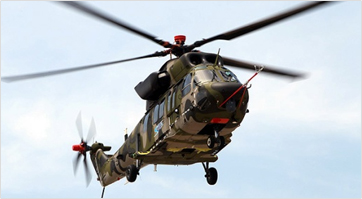
KUH-1 Surion Utility Helicopter
- Developed by KAI with technical cooperation from Airbus Helicopters
- System development launched in 2006; maiden flight in 2009; development completed and entered service in 2013
- Developed to replace the ROK Army's aging UH-1H and 500MD utility helicopters
- Expanded into multiple variants, including police, amphibious assault (Marineon), medical evacuation (MEDEVAC), and firefighting versions
- Established Korea's indigenous rotorcraft development capability and strengthened the domestic helicopter industry
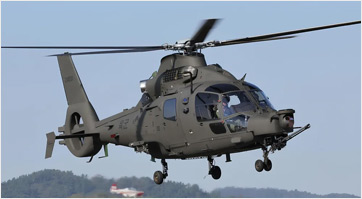
LCH (Light Civil Helicopter) / LAH (Light Armed Helicopter)
- Joint civil-military helicopter development program based on a common platform
- Concept development (2011–2012); system development (2014–2020 for LCH, 2014–2022 for LAH)
- Led by KAI, with KARI (LCH), ADD (LAH), and 24 industry-academia-research organizations participating
- Developed from the Airbus Helicopters H155 platform and optimized for Korea's operational requirements
- Secured core dual-use rotorcraft technologies and fostered Korea's rotorcraft industrial ecosystem
- Strengthened indigenous helicopter development capabilities and expanded opportunities in both civil and military helicopter markets
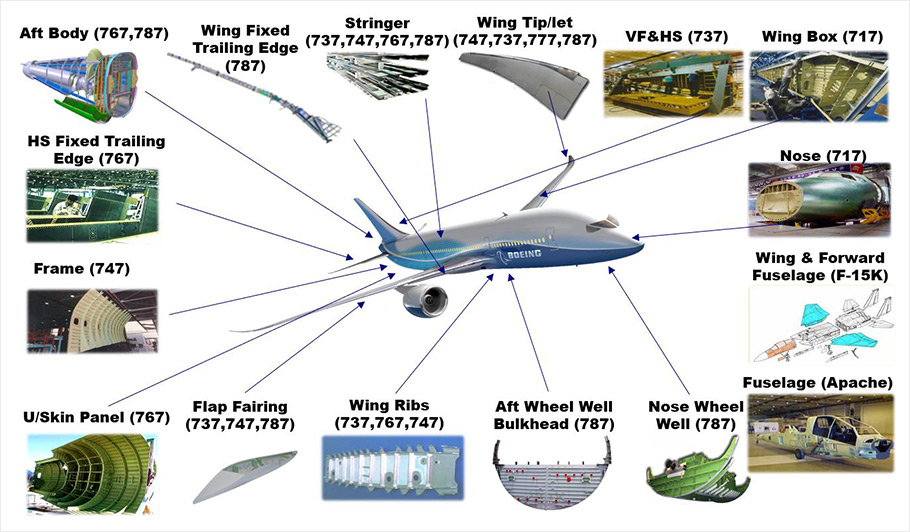
Aerostructure Supply for Boeing Aircraft
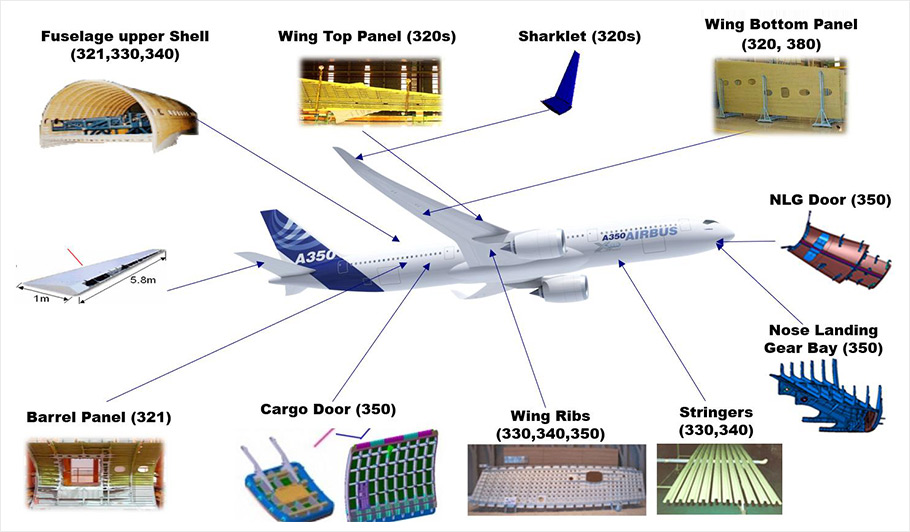
Aerostructure Supply for Airbus Aircraft
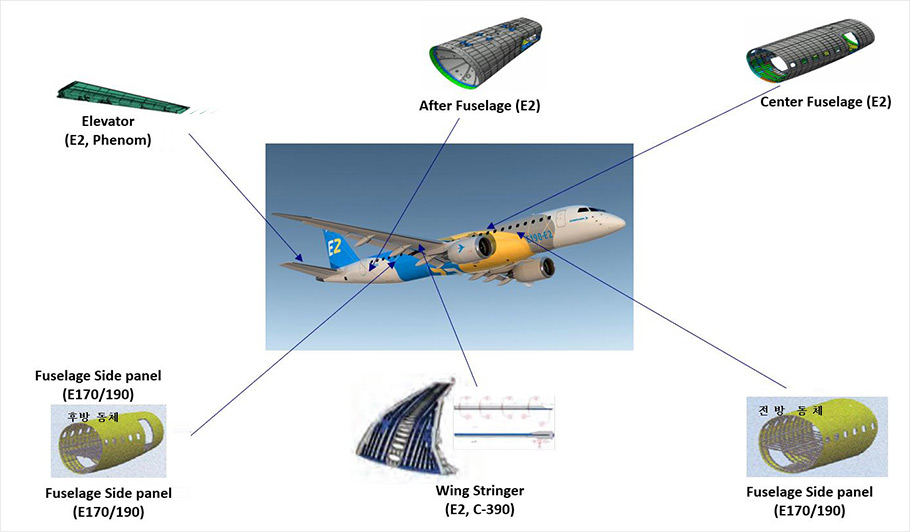
Aerostructure Supply for Embraer Aircraft
Military Unmanned Aircraft Development Programs
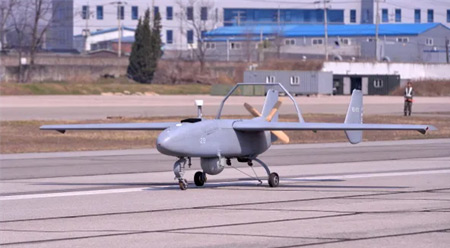
- RQ-101 Songgolmae Corps Reconnaissance UAV
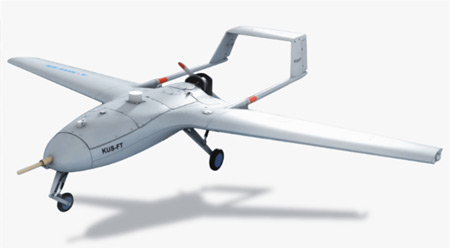
- RQ-102K Chammae Division Reconnaissance UAV
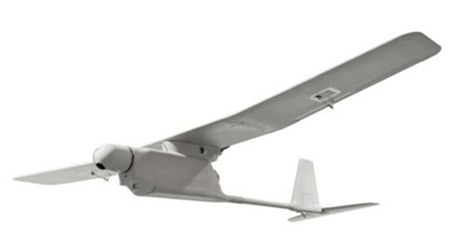
- RemoEye-006 Battalion Reconnaissance UAV
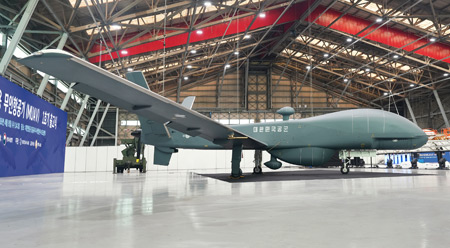
- Medium-Altitude Unmanned Aerial Vehicle (MUAV)
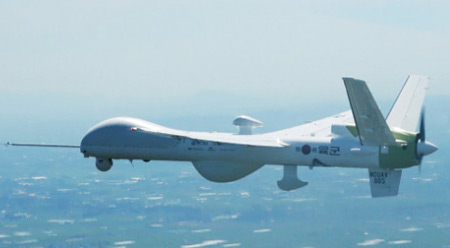
- Next-Generation Corps Reconnaissance UAV
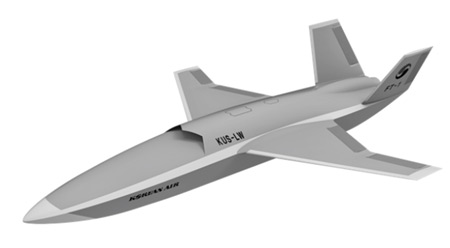
- Low Observable Unmanned Wingman System (LOWUS)
Civil Unmanned Aircraft Development Programs
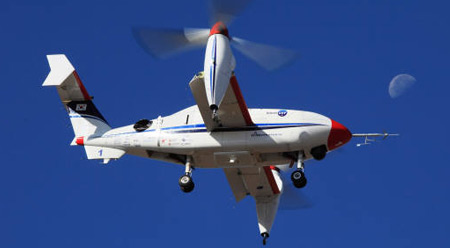
- Smart UAV Development Program (TR-100)
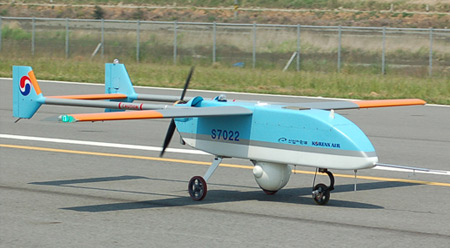
- KUS-7 Close Surveillance UAV
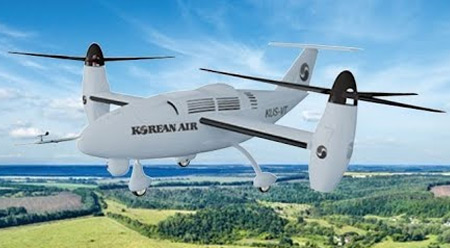
- TR-60 Tiltrotor UAV Demonstration Program
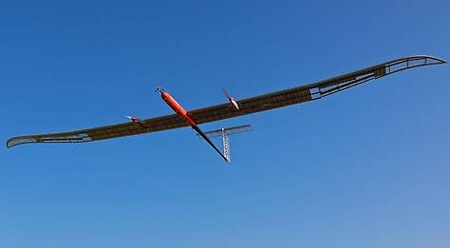
- EAV-3 High-Altitude Solar-Powered UAV
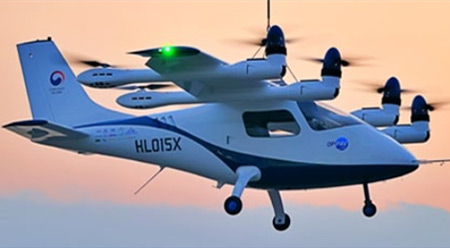
- Optionally Piloted Personal Air Vehicle (OPPAV)
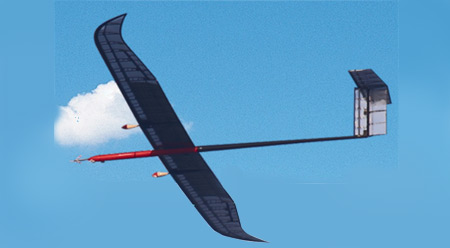
- EAV-4 Stratospheric Drone for Continuous Disaster Monitoring

TEL : +82-2-761-1101 | FAX : +82-2-761-1175
COPYRIGHT © 2017
Korea Aerospace Industries Association
ALL RIGHTS RESERVED.
admin