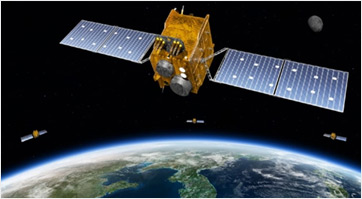

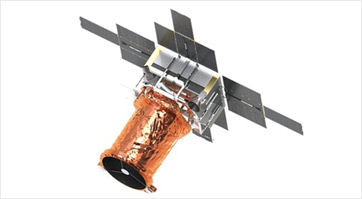
KOMPSAT (Arirang) 6
- Orbit: Low Earth Orbit(Sun-synchronous Orbit, SSO)
- Mission: All-weather Earth observation
- Payload: Synthetic Aperture Radar(SAR) with sub-meter resolution
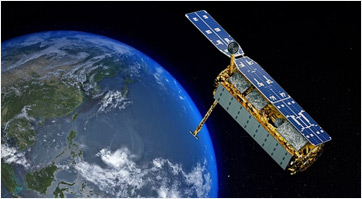
KOMPSAT (Arirang) 7
- Orbit: Low Earth Orbit (LEO)
- Mission: High-precision Earth observation
- Payload: Ultra-high-resolution Electro-Optical(EO) camera (sub-meter resolution)
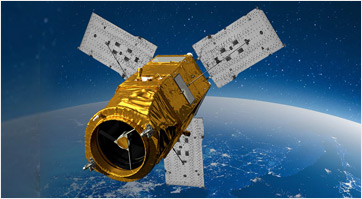
CAS500-2 (Next-Generation Medium Satellite-2)
- Orbit: Low Earth Orbit(Sun-synchronous Orbit, SSO)
- Mission: Precision mapping and national geospatial information development
- Payload: High-precision Earth observation camera
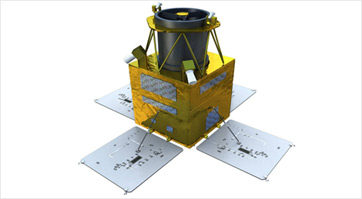
NEONSAT (Nanosatellite Constellation)
- Orbit: Low Earth Orbit (Sun-synchronous Orbit, SSO)
- Mission: High-precision surveillance, national security, and rapid disaster response
- Payload: High-resolution Electro-Optical/Infrared (EO/IR) camera
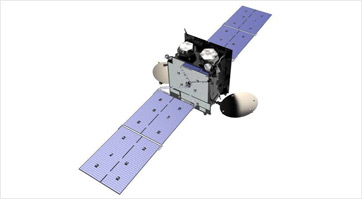
GEO-KOMPSAT-2A / GEO-KOMPSAT-2B (Cheollian-2A / 2B)
- Orbit: Geostationary Orbit (GEO)
- Mission: Weather forecasting, atmospheric environment monitoring, and related applications
- Payload: Meteorological payload and Environmental payload
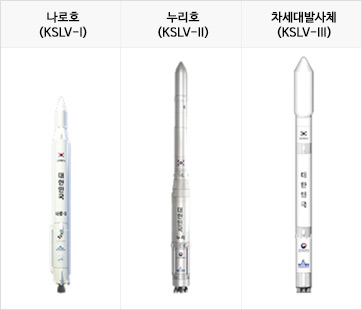
KSLV-II (Nuri) / Nuri Enhancement Program
- Korea's indigenously developed three-stage liquid-propellant space launch vehicle
- Payload Capacity: Up to 1.5-ton-class satellite to a 600–800 km Low Earth Orbit
- Dimensions / Liftoff Mass: Approx. 47.2 m / Approx. 200 tons
KSLV-III (Next-Generation Launch Vehicle) Development Program
- To secure deep-space exploration and reusable launch vehicle technologies
- Payload Capacity: More than 10 tons to Low Earth Orbit (LEO)
- Equipped with liquid methane-fueled engines instead of conventional kerosene engines
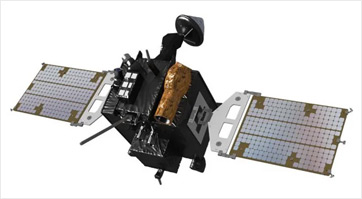
KPLO (Danuri, Korea Pathfinder Lunar Orbiter)
- Mission: Demonstration of deep-space navigation technologies and acquisition of lunar exploration data
- Payload: High-resolution camera, Wide-Angle Polarimetric Camera (PolCam), Magnetometer, Gamma-Ray Spectrometer, and Space Internet payload
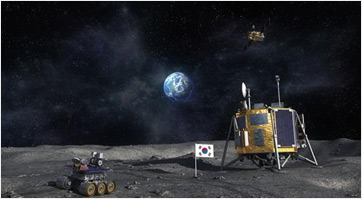
Korean Lunar Lander
- Objective: Achieve a soft landing on the lunar surface using a domestically developed lunar lander
- Mission: Lunar resource exploration, scientific observation of the lunar surface, and validation of Korean space components under extreme lunar environments
KPS (Korea Positioning System)
- Objective: Provide centimeter-level positioning accuracy over the Korean Peninsula and surrounding regions
- Key Services: Meter-level Standard Positioning Service (SPS), centimeter-level Precise Positioning Service (PPS), Public Safety Service, and Secure (Military) Service